Recovery from drug addiction is a multifaceted journey that extends beyond mere abstinence. One of the integral pillars supporting this journey is therapy and counseling. These therapeutic interventions play a pivotal role in addressing the underlying causes of addiction, fostering emotional healing, and equipping individuals with the tools needed for sustained recovery.
- Uncovering Root Causes: Therapy provides a safe space for individuals to delve into the root causes of their addiction. Understanding the psychological, emotional, and environmental factors that contribute to substance abuse is essential for developing effective coping strategies and preventing relapse.
- Individualized Treatment Plans: Every individual’s journey through addiction is unique, and therapy allows for the creation of personalized treatment plans. A skilled therapist tailors interventions to address specific needs, co-occurring mental health issues, and individual circumstances, increasing the likelihood of successful recovery.
- Behavioral Therapy: Behavioral therapy is a cornerstone of addiction treatment. Approaches such as Cognitive-Behavioral Therapy (CBT) help individuals recognize and modify destructive thought patterns and behaviors associated with substance abuse. This leads to healthier coping mechanisms and a more positive mindset.
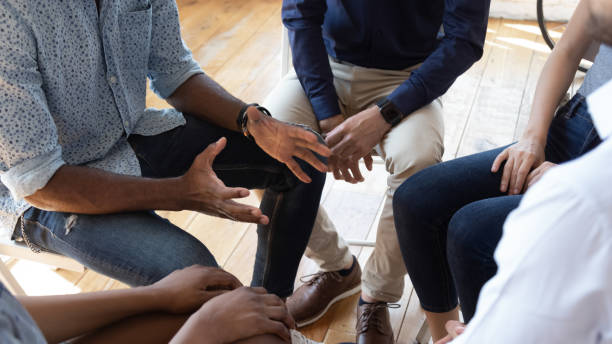
- Group Therapy Dynamics: Group therapy provides a supportive environment where individuals can share their experiences, challenges, and successes with others facing similar struggles. Group dynamics foster a sense of community, reducing isolation and creating a network of understanding and encouragement.
- Family Therapy’s Impact: The impact of addiction extends beyond the individual, affecting family dynamics. Family therapy helps repair relationships, improve communication, and educate family members about addiction. Involving the family in the therapeutic process strengthens the support system crucial for sustained recovery.
- Dual Diagnosis Treatment: Many individuals struggling with addiction also face co-occurring mental health disorders. Therapy and counseling within a drug rehab program address these dual diagnoses simultaneously, ensuring comprehensive treatment that considers the interconnected nature of mental health and addiction.
- Emotional Regulation Skills: Drug addiction often stems from an inability to cope with emotions effectively. Therapy equips individuals with emotional regulation skills, teaching them healthier ways to manage stress, anxiety, and other emotional triggers without resorting to substance use.
- Relapse Prevention Strategies: Therapy focuses on developing practical strategies for preventing relapse. By identifying triggers, understanding warning signs, and creating a personalized relapse prevention plan, individuals are better equipped to navigate the challenges of daily life without turning to drugs.
- Long-Term Support and Aftercare: Therapy’s role extends beyond the initial stages of recovery. Aftercare and ongoing therapy provide continuous support as individuals transition back into their daily lives. Regular sessions help reinforce coping strategies, address emerging challenges, and ensure a sustained commitment to recovery.
- Holistic Healing Approach: Effective therapy in drug rehabilitation adopts a holistic approach, addressing the physical, emotional, and spiritual aspects of an individual. Integrating various therapeutic modalities ensures a comprehensive and well-rounded treatment plan that supports long-term recovery.
In the realm of drug rehabilitation, therapy and counseling stand as indispensable tools for lasting recovery. By uncovering root causes, individualizing treatment plans, incorporating behavioral therapy, leveraging group dynamics, addressing family dynamics, offering dual diagnosis treatment, teaching emotional regulation skills, providing relapse prevention strategies, offering long-term support, and adopting a holistic healing approach, therapy becomes a cornerstone in helping individuals not only break free from addiction but also build a foundation for a healthier, more fulfilling life.
Leave a Reply