
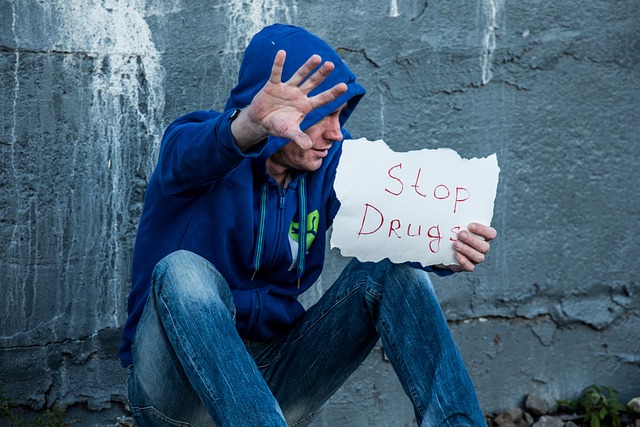
Drug addiction is a complex and challenging condition that affects millions of lives worldwide. Overcoming addiction requires a multi-faceted approach, combining personal commitment, professional guidance, and a supportive environment. This article explores key strategies to break the cycle of drug addiction and pave the way for a healthier, drug-free life.
- Acceptance and Commitment: The first step towards overcoming drug addiction is acknowledging the issue and accepting the need for change. This self-awareness lays the foundation for a commitment to recovery. Embracing the decision to break free from the cycle of substance abuse is a crucial and empowering initial move.
- Seek Professional Help: Enlisting the support of healthcare professionals, counselors, and addiction specialists significantly increases the chances of successful recovery. A personalized treatment plan, including therapy and counseling, helps address the root causes of addiction, develop coping mechanisms, and provide the necessary tools for sustained recovery.
- Detoxification: Undergoing a medically supervised detoxification process is often necessary to manage withdrawal symptoms safely. Detox helps remove the substances from the body and provides a foundation for further treatment. Medical professionals can monitor and support individuals through this challenging phase.
- Individualized Treatment Plans: Recognizing that each person’s journey through addiction is unique, individualized treatment plans are crucial. Tailoring the approach to address specific needs, co-occurring disorders, and personal circumstances enhances the effectiveness of the treatment and increases the likelihood of long-term success.
- Behavioral Therapy: Behavioral therapy, such as Cognitive-Behavioral Therapy (CBT), helps individuals identify and modify negative thought patterns and behaviors associated with drug use. This therapeutic approach equips individuals with healthier coping mechanisms, stress management skills, and strategies to resist cravings.
- Support Groups: Joining support groups, like Narcotics Anonymous (NA) or SMART Recovery, fosters a sense of community and understanding. Connecting with others who have faced similar challenges provides a supportive network, shared experiences, and valuable insights into navigating the complexities of recovery.
- Develop Healthy Coping Mechanisms: Learning alternative, healthy ways to cope with stress, emotions, and challenges is essential in breaking the cycle of addiction. Engaging in activities such as exercise, mindfulness, and creative pursuits provides positive outlets for managing the ups and downs of life without resorting to substance use.
- Addressing Co-Occurring Disorders: Many individuals battling drug addiction also struggle with co-occurring mental health disorders. Treating both addiction and mental health simultaneously ensures a comprehensive approach, addressing the interconnected nature of these issues for a more holistic recovery.
- Create a Supportive Environment: Surrounding oneself with a supportive environment is crucial in overcoming drug addiction. Communicating openly with family and friends about the journey to recovery and enlisting their support helps build a strong foundation for sustained sobriety.
- Aftercare and Relapse Prevention: Recovery is an ongoing process, and aftercare is essential for maintaining progress. Regular follow-up appointments, ongoing therapy, and participation in aftercare programs contribute to relapse prevention and provide ongoing support as individuals reintegrate into their daily lives.
Breaking the cycle of drug addiction is a challenging but achievable endeavor. By embracing acceptance, seeking professional help, undergoing detoxification, adopting individualized treatment plans, incorporating behavioral therapy, joining support groups, developing healthy coping mechanisms, addressing co-occurring disorders, creating a supportive environment, and prioritizing aftercare, individuals can overcome the challenges of addiction and build a foundation for a drug-free and fulfilling life. Remember, the journey to recovery is a process that requires dedication, self-reflection, and a commitment to positive change.
Leave a Reply